
We all admire people who stay calm under pressure, make thoughtful decisions, and maintain healthy habits even when life feels overwhelming. These are the hallmarks of strong self-regulation: our ability to manage thoughts, emotions, and behaviours in ways that support long-term wellbeing.
But here’s the challenge: simply knowing what qualities self-regulators have isn’t enough when you’re struggling to develop them yourself. It’s like being handed the “meal” without the recipe.
The beautiful thing about self-regulation is that it’s not an innate trait that only some people are born with. It’s a skill set that can be developed with practice, and once you do, it can become an incredible internal compass to help you effectively move through life’s ups and downs in pursuit of your personal or professional goals.
The following offers practical steps you can start using today to strengthen your own self-regulation.
1. Start With Emotional Awareness
Pause and check in with your body a few times each day. Ask, “What am I feeling right now, and where do I notice it?” This builds the habit of recognising emotions before they spill over into reactive behaviour. Journaling or naming emotions out loud (“I feel tense and frustrated”) helps to bring clarity.
2. Train Your “Impulse Muscle”
Try the 10-minute rule: when you feel the urge to act on impulse (like grabbing your phone or a snack), wait 10 minutes before deciding. This strengthens the brain’s pathways for patience and considered choices.
3. Anchor Yourself With Clear Goals
Write down one short-term and one long-term goal. Break them into small, achievable steps and tick them off daily. The brain loves progress. Celebrating each step helps to rewire motivation and reward centres.
4. Use Grounding Techniques Under Stress
When pressure rises, shift your body first. Try slow, lengthened exhales, or plant both feet firmly on the ground and press your toes down. These physical cues help calm the nervous system before the mind can respond more thoughtfully.
5. Build a Mindfulness Habit
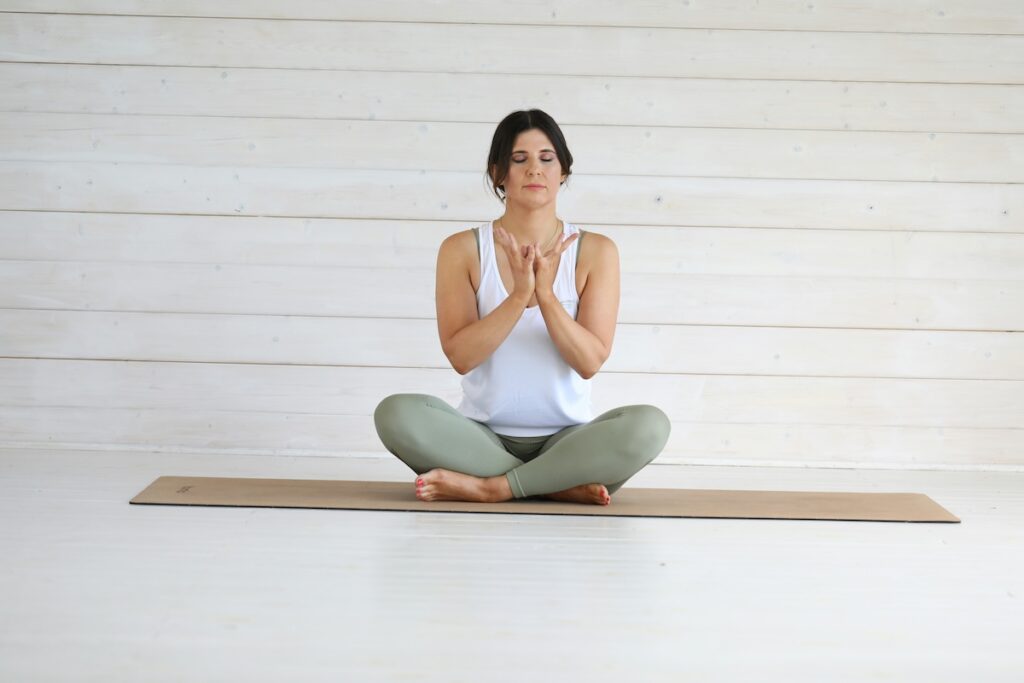
Take 3 mindful breaths before you transition between tasks. This micro-habit makes you less reactive and more present, without requiring an hour-long meditation.
6. Strengthen Your Self-Discipline With Tiny Wins
Choose one simple habit to commit to (e.g., drinking a full glass of water before your morning coffee). Success with small commitments gradually builds confidence and discipline for bigger changes.
7. Expect Change and Train Flexibility
Instead of seeing change as disruption, try reframing it as training for adaptability. Each time plans shift, ask, “What’s my new Plan B?” Writing down two alternatives to your original plan makes flexibility a learned skill.
8. Know Your Edges
Create a “Yes/No” list for yourself. Write down what you realistically can do (Yes) and what you need to decline or delegate (No). Practising boundaries is a key part of self-regulation.
9. Practise Perspective-Taking
Before responding in conflict, ask yourself: “If I were in their shoes, what would I be feeling right now?” Empathy lowers defensiveness and helps regulate social interactions.
10. Use Optimism as Fuel
Each evening, write down one thing that went well and why. Training your mind to notice positives boosts resilience and motivation over time.
11. Create Time Boundaries
Use the “one-thing focus” rule: for the next 25 minutes, choose one task only. This reduces overwhelm and trains the mind to manage time without constant distractions.
12. Reflect and Reset
At the end of each week, ask: “What worked well for me? What didn’t?” Reflection turns experiences into lessons instead of repeated mistakes.
13. Reframe Setbacks as Training
When you hit a roadblock, write down:
What happened
What I learned
What I’ll try differently next time
This turns “failure” into feedback and fuels your persistence to keep going, despite setbacks.
14. Protect Your Foundations
Pick one daily non-negotiable: sleep, movement, or nutrition. Prioritising this consistently creates the stability your nervous system needs to regulate emotions and stress.
15. Welcome Outside Perspective
Choose one trusted person and ask: “What’s one thing you think I could improve on?” Feedback, when invited, helps you grow faster and keeps blind spots in check.
Self-regulation isn’t about perfection. It’s about practice. Every small step strengthens your capacity to manage emotions, impulses, and stress with greater ease. Think of it as building inner muscle: repetition, reflection, and compassion for yourself along the way are what lead to lasting change.
Whether you’re a coach, practitioner or therapist wanting to learn new insights to pass onto your clients, or you simply want to get a handle on your own mood, mind and emotions, practising just one or two of these qualities can really help to make a difference to your overall wellbeing and interpersonal relationships.
Author:
Viki Thondley
Viki Thondley-Moore is an Integrative Holistic Counsellor, Brain-Based Coach, Clinical Hypnotherapist, Mind-Body Somatic Practitioner, Wellness Coach, Meditation Teacher, Educator and Disordered Eating Specialist. Viki is founder of MindBodyFood and Founder/Director of the MindBodyFood Institute.
DOWNLOAD OUR COURSES GUIDE
Learn More About Our Course Offerings and Discover Which New Wellbeing Career Best Suits Your Passion!